Understanding Coffee Roast Levels: Light vs. Medium vs. Dark
What's the real difference between a blonde roast and a French roast? We break down the science and flavor profiles of each level.
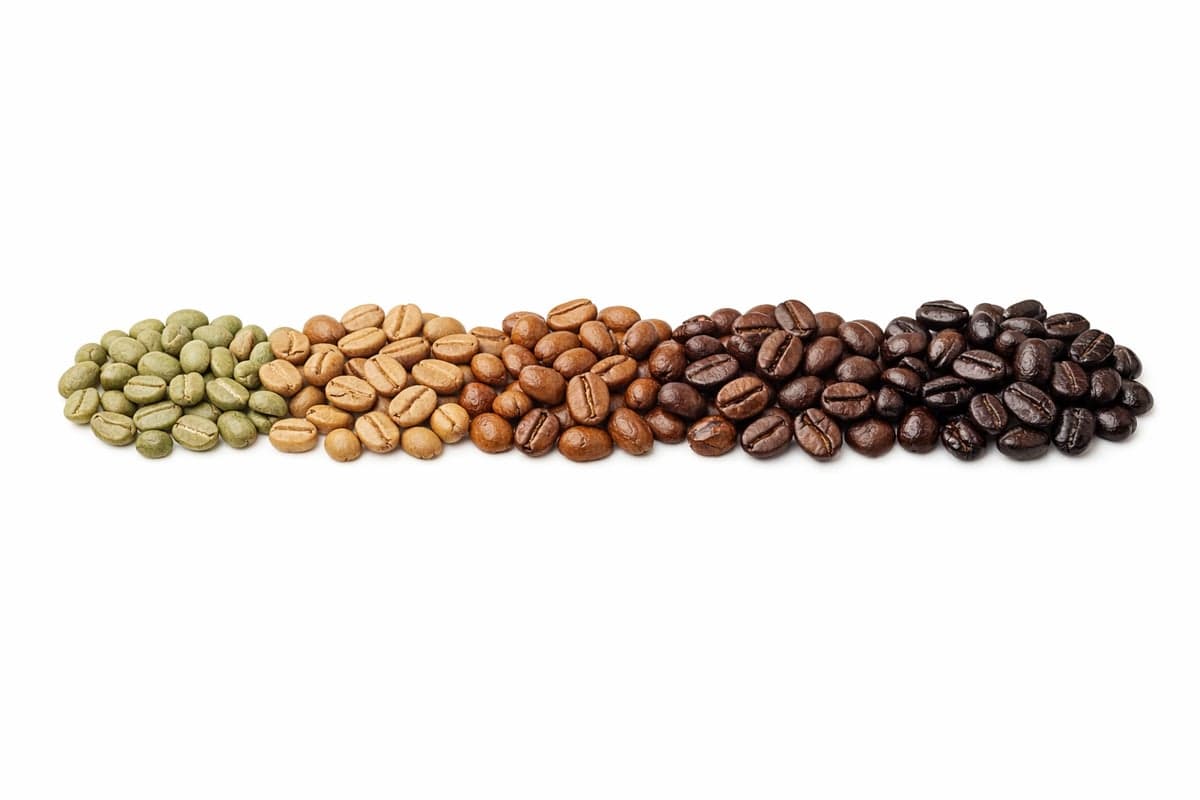
The roasting process transforms green coffee beans into the aromatic brown beans we know. The duration and temperature of the roast determine the final flavor profile, and understanding these differences will help you choose coffee that matches your taste preferences and brewing method.
Green coffee beans are hard, grassy-smelling seeds that bear little resemblance to the aromatic, flavorful beans we brew. The roasting process is what unlocks the potential of these beans, creating the complex flavors, aromas, and colors we associate with coffee. Understanding how different roast levels affect flavor will help you make informed choices and discover coffees you'll love.
Once you understand roast levels, the next step is choosing the right coffee beans for your preferred brewing method. Different roasts work better with different methods—for example, dark roasts excel in espresso machines, while light roasts shine in pour-over setups like those in our best pour-over coffee makers guide.
The Roasting Process: From Green to Brown
Coffee roasting is a complex chemical process that involves:
- Drying Phase: Green beans lose moisture (12% → 2%)
- First Crack: Beans expand and make a cracking sound (like popcorn)
- Development Phase: Flavor compounds develop
- Second Crack: Further expansion and oil migration (for dark roasts)
- Cooling: Process is stopped and beans are cooled rapidly
The timing of when the roast is stopped determines the roast level. Light roasts are stopped shortly after first crack, medium roasts are stopped between first and second crack, and dark roasts continue through second crack.
Light Roast (Blonde, City, Cinnamon)
Light roasts are pulled from the roaster shortly after the "first crack," typically at an internal temperature of 356-401°F (180-205°C). They retain most of their origin characteristics and natural acidity.
Characteristics
Visual:
- Light brown color (similar to cinnamon)
- No oil on the surface
- Dry appearance
- Beans are smaller (less expanded)
Flavor Profile:
- Floral, citrusy, tea-like
- High acidity (bright, crisp)
- Light body
- Retains origin characteristics (terroir)
- Can taste "sour" if under-extracted
- Complex, nuanced flavors
Aroma:
- Fruity, floral, sometimes grassy
- Less "roasty" aroma
- Origin-specific aromas are prominent
Caffeine Content
Common Myth: Many people believe dark roasts have more caffeine. This is false.
The Reality:
- Light roasts have slightly more caffeine by volume (because beans are denser)
- Dark roasts have slightly more caffeine by weight (because beans lose more mass during roasting)
- The difference is minimal—about 5-10% either way
- Brewing method and coffee-to-water ratio matter more than roast level
Best Brewing Methods
- Pour-over (Hario V60, Kalita Wave, Chemex)
- AeroPress (with paper filter)
- Drip coffee makers
- Any method that highlights clarity and brightness
Who Should Try Light Roasts
- Coffee enthusiasts who want to taste origin characteristics
- Those who enjoy bright, acidic flavors
- People who prefer tea-like coffee
- Adventurous drinkers exploring specialty coffee
- Those brewing pour-over or AeroPress
Common Light Roast Names
- Blonde Roast
- City Roast
- Cinnamon Roast
- Light City
- Half City
Medium Roast (Full City, American, Regular)
Medium roasts are stopped between first and second crack, typically at 410-428°F (210-220°C). They offer a balance between origin characteristics and roast flavors, making them the most popular choice in specialty coffee.
Characteristics
Visual:
- Medium brown color
- Minimal to no oil on surface
- Balanced appearance
- Slightly larger than light roast beans
Flavor Profile:
- Caramel, chocolate, nuttiness
- Balanced acidity and body
- Sweet, smooth
- Some origin characteristics retained
- Most versatile flavor profile
- Well-rounded, approachable
Aroma:
- Balanced, sweet
- Some roast notes
- Origin aromas still present
Caffeine Content
Medium roasts fall in the middle for caffeine content. The difference from light or dark roasts is negligible in practical terms.
Best Brewing Methods
- French Press
- Drip coffee makers
- Pour-over (works well)
- AeroPress
- Moka Pot
- Most versatile for all methods
Who Should Try Medium Roasts
- Beginners exploring specialty coffee
- Those who want balanced, approachable coffee
- People who haven't settled on a preferred brewing method
- Those who enjoy sweet, caramel flavors
- Most coffee drinkers (most popular choice)
Common Medium Roast Names
- American Roast
- City Roast
- Full City (slightly darker medium)
- Regular Roast
- Breakfast Roast
Medium-Dark Roast (Full City+, Vienna)
Medium-dark roasts are stopped at the beginning of second crack, typically at 437-446°F (225-230°C). They have more roast character than medium roasts but aren't as dark as dark roasts.
Characteristics
Visual:
- Medium-dark brown
- Some oil on surface
- Slightly shiny appearance
Flavor Profile:
- Rich, full-bodied
- Some roast notes (chocolate, caramel)
- Lower acidity than medium
- Good balance of origin and roast flavors
- Works well with milk
Best For:
- Espresso (many espresso blends use this level)
- Milk-based drinks
- Those who want more body than medium but less bitterness than dark
Dark Roast (French, Italian, Espresso, Continental)
Dark roasts are roasted until the "second crack" or beyond, typically at 464°F (240°C) or higher. They have bold, smoky flavors with minimal origin characteristics.
Characteristics
Visual:
- Dark brown to black
- Shiny, oily surface
- Beans are larger (more expanded)
- Sometimes appear almost black
Flavor Profile:
- Smoky, bitter, bold
- Low acidity
- Heavy body
- Roast flavors dominate (less origin character)
- Can taste burnt if over-roasted
- Chocolate, caramel, sometimes charred notes
Aroma:
- Strong, roasty
- Smoky, sometimes burnt
- Less origin-specific aromas
- "Classic coffee" aroma
Caffeine Content
Dark roasts have slightly less caffeine by volume (because beans are less dense) but slightly more by weight. The practical difference is minimal.
Best Brewing Methods
- Espresso machines
- Moka Pot
- French Press (if you like bold coffee)
- Drip coffee (traditional style)
- Methods that can handle bold flavors
Who Should Try Dark Roasts
- Those who prefer bold, strong coffee
- Espresso drinkers
- People who enjoy smoky, chocolate flavors
- Those who drink coffee with milk
- Traditional coffee drinkers
Common Dark Roast Names
- French Roast
- Italian Roast
- Espresso Roast
- Continental Roast
- Dark French
- Spanish Roast
The Roasting Spectrum: A Visual Guide
Light Roast → Medium Roast → Medium-Dark → Dark Roast
- Color: Light brown → Medium brown → Dark brown → Black
- Oil: None → Minimal → Some → Oily
- Acidity: High → Balanced → Low → Very Low
- Body: Light → Medium → Full → Heavy
- Origin Character: Strong → Moderate → Minimal → None
- Roast Character: None → Some → Moderate → Strong
How Roast Level Affects Flavor
Chemical Changes During Roasting
Light Roast:
- Retains chlorogenic acids (contribute to acidity)
- Preserves origin-specific compounds
- Minimal Maillard reaction (browning)
- High levels of fruity, floral compounds
Medium Roast:
- Balanced development of flavor compounds
- Moderate Maillard reaction
- Some caramelization
- Balanced acidity and sweetness
Dark Roast:
- Extensive Maillard reaction
- Significant caramelization
- Breakdown of chlorogenic acids (less acidity)
- Development of roast-specific compounds
- Some compounds may burn (bitter notes)
Why Different Roasts Taste Different
-
Acidity: Light roasts retain more natural acids, creating brightness. Dark roasts break down acids, creating lower acidity.
-
Body: Light roasts have less body because oils haven't migrated to the surface. Dark roasts have more body due to oil migration.
-
Flavor Complexity: Light roasts preserve origin characteristics. Dark roasts develop roast-specific flavors that can mask origin notes.
-
Sweetness: Medium roasts often taste sweetest due to caramelization. Dark roasts can taste bitter if over-roasted.
Choosing the Right Roast for Your Brewing Method
Pour-Over (Hario V60, Kalita Wave, Chemex):
- Best: Light to medium roast
- Why: Highlights clarity and origin characteristics
French Press:
- Best: Medium to dark roast
- Why: Enhances body and works well with bold flavors
Espresso:
- Best: Medium-dark to dark roast
- Why: Bold flavors stand up to pressure and milk
AeroPress:
- Best: Light to medium roast (with paper filter)
- Why: Versatile, can highlight different characteristics
Drip Coffee:
- Best: Medium roast
- Why: Balanced, approachable, works for most people
Moka Pot:
- Best: Medium to dark roast
- Why: Similar to espresso, needs bold flavors
Common Misconceptions About Roast Levels
Myth 1: "Dark roasts have more caffeine"
- Reality: The difference is minimal (5-10%). Brewing method matters more.
Myth 2: "Light roasts are weak"
- Reality: Light roasts can be very strong in flavor, just different in character.
Myth 3: "Dark roasts are higher quality"
- Reality: Quality depends on bean origin and roasting skill, not roast level.
Myth 4: "You can't make espresso with light roasts"
- Reality: Light roast espresso is possible and popular in specialty coffee, though it requires skill.
Myth 5: "All dark roasts taste the same"
- Reality: Origin and processing still matter, even in dark roasts.
Who This Is For
This guide is perfect for:
- Anyone curious about why their coffee tastes the way it does
- Coffee drinkers wanting to find their personal preference
- Beginners exploring different roast levels
- Home brewers matching roasts to brewing methods
- Those wanting to understand coffee science
Once you understand roast levels, learn how to choose the right coffee beans for your preferred brewing method.
Want to learn more? Explore all our coffee education guides for more brewing knowledge.
FAQs
Which roast level has the most caffeine?
The difference is minimal (5-10%). Light roasts have slightly more by volume, dark roasts have slightly more by weight. Brewing method and coffee amount matter more.
Can I use light roast for espresso?
Yes! Light roast espresso is popular in specialty coffee, though it requires skill to extract properly. It will taste very different from traditional dark roast espresso.
Why do dark roasts taste bitter?
Dark roasts can taste bitter if over-roasted. The roasting process breaks down compounds and can create bitter flavors if taken too far. A well-roasted dark roast should be bold but not unpleasantly bitter.
What's the best roast level for beginners?
Medium roast is the best starting point. It's balanced, approachable, and works well with most brewing methods. You can then explore lighter or darker roasts based on your preferences.
Do roast levels affect health?
Light roasts retain more antioxidants (chlorogenic acids), while dark roasts have less. However, the difference is small, and both are healthy choices. The health benefits of coffee come from many compounds, not just one.
Can I roast my own coffee?
Yes! Home roasting is possible with a popcorn popper, dedicated home roaster, or even a pan. However, it requires practice and knowledge. Most people prefer buying from professional roasters.
What's the difference between "espresso roast" and regular dark roast? "Espresso roast" is a marketing term, not a specific roast level. It's typically a medium-dark to dark roast, but any roast can be used for espresso. The term suggests the coffee is suitable for espresso brewing.
Related Articles
How to Dial In Your Espresso: A Step-by-Step Guide
Struggling with sour or bitter shots? Learn the professional workflow for 'dialing in' your espresso for perfect results every time.
Read How to Dial In Your Espresso: A Step-by-Step Guide →The Ultimate Guide to Water Quality for Better Coffee
Your coffee is 98% water. If your water tastes bad, your coffee will too. Learn how to optimize your water for the perfect brew.
Read The Ultimate Guide to Water Quality for Better Coffee →How to Choose the Right Coffee Beans for Your Brew Method
Not all beans are created equal. Learn how to read a coffee bag and choose the perfect roast for your favorite brewing style.
Read How to Choose the Right Coffee Beans for Your Brew Method →