How to Choose the Right Coffee Beans for Your Brew Method
Not all beans are created equal. Learn how to read a coffee bag and choose the perfect roast for your favorite brewing style.
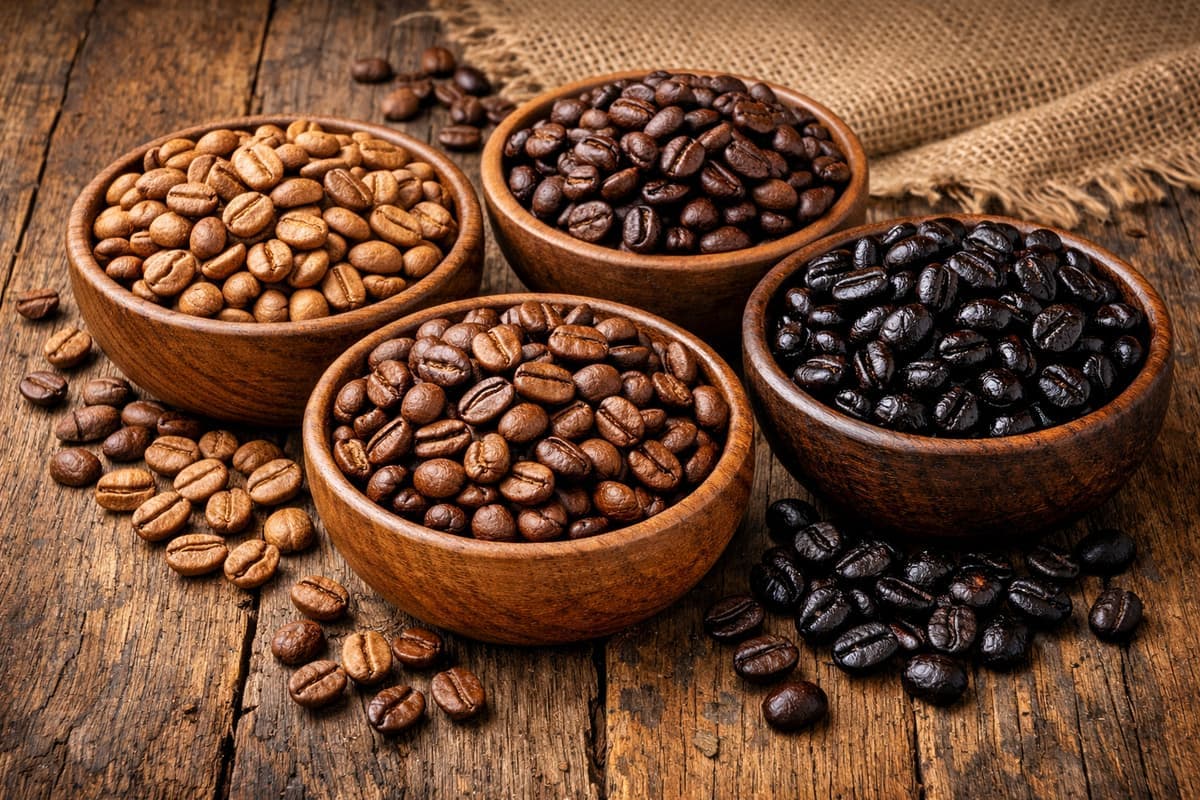
Walking into a specialty coffee shop or browsing online can be overwhelming. With terms like "washed process," "altitude," and "tasting notes," how do you know what will taste good in your French Press? This guide will help you decode coffee bag labels and choose the perfect beans for your brewing method.
Choosing the right coffee beans is one of the most important decisions you'll make in your coffee journey. The beans you select will determine 80% of your final cup's flavor, so understanding what to look for is crucial. Whether you're brewing espresso, pour-over, French Press, or any other method, matching your beans to your brewing style will dramatically improve your results.
To fully understand what you're buying, start with our complete guide to understanding coffee roast levels. And once you have your beans, you'll need a quality grinder—our burr vs. blade grinder comparison explains why grind consistency is crucial for extracting the best flavors.
Understanding Coffee Bag Labels
Before diving into specific recommendations, let's decode what all those terms on coffee bags actually mean:
- Origin: Where the coffee was grown (e.g., Ethiopia, Colombia, Brazil)
- Altitude: Elevation affects flavor—higher altitude often means more complex, acidic coffee
- Variety: The coffee plant variety (e.g., Arabica, Robusta, Bourbon, Typica)
- Process: How the coffee cherry was processed (washed, natural, honey)
- Roast Date: When the coffee was roasted (crucial for freshness)
- Tasting Notes: Flavor descriptors (e.g., "notes of blueberry, chocolate, caramel")
1. Match the Roast to the Method
The roast level is the most important factor when choosing beans for your brewing method. Different roasts extract differently and work better with certain brewing techniques.
Light Roast: Best for Pour-Over and AeroPress
Light roasts are pulled from the roaster shortly after the "first crack." They retain most of their origin characteristics and natural acidity.
Characteristics:
- Light brown color, no oil on surface
- High acidity, bright and crisp
- Floral, fruity, tea-like flavors
- Retains origin characteristics (terroir)
- Slightly higher caffeine by volume
Best Brewing Methods:
- Pour-over (Hario V60, Kalita Wave, Chemex)
- AeroPress (with paper filter)
- Drip coffee makers
- Methods that highlight clarity and brightness
Why It Works:
Light roasts have delicate flavors that can be masked by heavy extraction. Pour-over and AeroPress with paper filters create clean, bright coffee that highlights these delicate notes. The lighter body allows the origin characteristics to shine through.
Coffee Recommendations:
- Ethiopian Yirgacheffe (floral, citrusy)
- Kenyan AA (bright, wine-like acidity)
- Colombian light roasts (balanced, sweet)
Medium Roast: The Most Versatile
Medium roasts are the most popular choice for specialty coffee. They offer a balance between origin characteristics and roast flavors.
Characteristics:
- Medium brown color, minimal oil
- Balanced acidity and body
- Caramel, chocolate, nutty flavors
- Versatile for most brewing methods
- Most popular in specialty coffee
Best Brewing Methods:
- French Press
- Drip coffee makers
- Pour-over (works but not ideal)
- AeroPress
- Moka Pot
Why It Works:
Medium roasts are balanced enough to work with almost any brewing method. They have enough body for French Press, enough clarity for pour-over, and enough flavor for drip coffee. This makes them perfect for beginners who haven't settled on a preferred brewing method.
Coffee Recommendations:
- Colombian Supremo (balanced, nutty)
- Guatemalan Antigua (chocolate, caramel)
- Costa Rican Tarrazu (bright, balanced)
Dark Roast: Ideal for Espresso and Moka Pot
Dark roasts are roasted until the "second crack" or beyond. They have bold, smoky flavors that stand up well to pressure and milk.
Characteristics:
- Dark brown to black, oily surface
- Low acidity, bold and smoky
- Chocolate, caramel, nutty, sometimes burnt flavors
- Heavy body, less origin character
- Slightly lower caffeine by volume
Best Brewing Methods:
- Espresso machines
- Moka Pot
- French Press (if you like bold coffee)
- Drip coffee (traditional style)
Why It Works:
Dark roasts have bold flavors that can stand up to high-pressure extraction in espresso machines. The oils and bold flavors also work well with milk in lattes and cappuccinos. The lower acidity makes them less harsh when concentrated.
Coffee Recommendations:
- Italian espresso blends
- French roast
- Sumatran dark roasts (earthy, bold)
2. Process Matters: Washed, Natural, and Honey
The processing method (how the coffee cherry is removed from the bean) dramatically affects flavor. Understanding these processes will help you choose beans that match your taste preferences.
Washed Process: Clean, Bright, and Acidic
In the washed process, the coffee cherry's pulp is removed before drying, and the beans are fermented in water to remove the mucilage.
Characteristics:
- Clean, bright, and crisp
- High acidity
- Clear, defined flavors
- Less body than natural process
- Most common processing method
Flavor Profile:
- Bright, citrusy acidity
- Clean finish
- Well-defined flavor notes
- Less "funk" or fermentation flavors
Best For:
- Light to medium roasts
- Pour-over brewing
- Those who prefer clean, bright coffee
- Highlighting origin characteristics
Examples:
- Most Colombian coffee
- Ethiopian washed coffees
- Central American coffees
Natural Process: Fruity, Sweet, and Sometimes "Funky"
In the natural process, coffee cherries are dried whole with the fruit still attached. The beans absorb flavors from the fruit during drying.
Characteristics:
- Fruity, sweet, and complex
- Lower acidity than washed
- More body and mouthfeel
- Can have "fermented" or "funky" flavors
- Less common, often more expensive
Flavor Profile:
- Berry, wine-like flavors
- Sweet, jammy notes
- Sometimes "fermented" or "funky" character
- Heavy body
- Unique, complex flavors
Best For:
- Medium to dark roasts
- French Press (enhances body)
- Those who enjoy fruity, wine-like coffee
- Adventurous coffee drinkers
Examples:
- Ethiopian natural process coffees
- Brazilian natural process
- Some specialty roasters' natural process offerings
Honey Process: A Middle Ground
The honey process is a hybrid method where some of the fruit is removed, but a sticky layer (mucilage) remains during drying. The name comes from the sticky, honey-like texture.
Characteristics:
- Balance between washed and natural
- Sweet, with some fruitiness
- Moderate acidity
- Good body
- Less common, often specialty
Flavor Profile:
- Sweet, honey-like notes
- Some fruitiness
- Balanced acidity
- Good body without being too heavy
Best For:
- Medium roasts
- Most brewing methods
- Those who want complexity without "funk"
- Pour-over and AeroPress
Examples:
- Costa Rican honey process
- Some Central American specialty coffees
3. Freshness is Key
Freshness is perhaps the most important factor in coffee quality. Stale coffee loses its flavor compounds and can taste flat, papery, or cardboard-like.
Understanding Roast Dates
Always look for a "Roasted On" date, not a "Best By" date. Coffee is best when used within a specific window after roasting.
Ideal Usage Window:
- 7-14 days after roasting: Peak flavor, best for most brewing methods
- 14-30 days after roasting: Still excellent, slight degradation
- 30+ days after roasting: Noticeable flavor loss, not recommended
Why Freshness Matters:
- Coffee releases CO2 after roasting (degassing)
- Flavor compounds are most vibrant in the first 2 weeks
- Oils can go rancid if stored too long
- Aromatic compounds evaporate over time
How to Store Coffee Beans
Do:
- Store in an airtight container
- Keep in a cool, dark place
- Buy in small quantities (enough for 1-2 weeks)
- Grind just before brewing
Don't:
- Store in the refrigerator or freezer (causes condensation)
- Leave in clear containers exposed to light
- Buy in bulk unless you'll use it quickly
- Store near strong odors (coffee absorbs smells)
Signs of Stale Coffee
- Flat, papery, or cardboard-like taste
- Lack of aroma when ground
- No crema in espresso
- Weak, watery flavor
- Dull appearance
4. Origin and Altitude
Understanding where your coffee comes from can help you choose beans that match your flavor preferences.
High Altitude Coffee (1500m+ / 5000ft+)
Characteristics:
- Higher acidity
- More complex flavors
- Denser beans (slower growth)
- Often more expensive
- Best for light to medium roasts
Examples:
- Ethiopian Yirgacheffe (1700-2200m)
- Kenyan AA (1500-1700m)
- Colombian high-altitude (1500-2000m)
Medium Altitude Coffee (1000-1500m / 3300-5000ft)
Characteristics:
- Balanced acidity
- Good complexity
- Versatile for most roasts
- Most common specialty coffee altitude
Examples:
- Most Central American coffees
- Colombian medium-altitude
- Brazilian specialty coffees
Lower Altitude Coffee (under 1000m / under 3300ft)
Characteristics:
- Lower acidity
- More body
- Simpler flavors
- Often used in blends
- Good for dark roasts
Examples:
- Brazilian commercial coffee
- Some Indonesian coffees
- Blends
5. Single Origin vs. Blends
Single Origin:
- Coffee from one specific region or farm
- Highlights unique origin characteristics
- More variable in flavor
- Often more expensive
- Best for pour-over and light roasts
Blends:
- Combination of coffees from different origins
- Consistent, balanced flavor
- Designed for specific purposes (espresso, etc.)
- Often more affordable
- Best for espresso and dark roasts
Who This Is For
This guide is for the coffee drinker who wants to move beyond "supermarket coffee" and understand the nuances of specialty beans. Whether you're a beginner looking to improve your home brewing or an enthusiast wanting to explore new flavors, understanding how to choose the right beans will elevate your coffee experience.
To dive deeper into roast levels, read our complete guide to understanding coffee roast levels. And once you have your beans, learn which brewing method suits them best in our French Press vs. AeroPress comparison.
Want to learn more? Explore all our coffee education guides for more brewing knowledge.
Quick Reference Guide
For Pour-Over:
- Light roast, washed process, high altitude
- Ethiopian, Kenyan, Colombian light roasts
For French Press:
- Medium to dark roast, natural or washed
- Colombian, Guatemalan, Brazilian medium roasts
For Espresso:
- Medium to dark roast, blends or single origin
- Italian espresso blends, dark roasts
For AeroPress:
- Light to medium roast, washed or honey process
- Versatile—experiment with different origins
FAQs
How much coffee should I buy at once?
Buy enough for 1-2 weeks of use. This ensures you're always using fresh coffee. For most people, this means 250g to 500g (8-16oz) bags.
Should I buy whole bean or pre-ground?
Always buy whole bean and grind just before brewing. Pre-ground coffee loses flavor quickly and you can't adjust grind size for different brewing methods.
What's the difference between Arabica and Robusta?
Arabica is higher quality, more complex, and less bitter. Robusta has more caffeine and is more bitter. Specialty coffee is almost always 100% Arabica.
Do I need to match beans to my brewing method?
While you can use any beans with any method, matching roast level to brewing method will give you the best results. Light roasts shine in pour-over, dark roasts excel in espresso.
How do I know if coffee is fresh?
Look for a "Roasted On" date. Coffee is best 7-30 days after roasting. Avoid coffee with only a "Best By" date, as this doesn't tell you when it was roasted.
Should I buy single origin or blends?
Single origin is great for exploring unique flavors. Blends are better for consistency and espresso. Start with single origin to learn about different flavor profiles.
What does "specialty coffee" mean? Specialty coffee is coffee that scores 80+ points on a 100-point scale by certified coffee tasters. It represents the top 10% of coffee quality worldwide.
Related Articles
How to Dial In Your Espresso: A Step-by-Step Guide
Struggling with sour or bitter shots? Learn the professional workflow for 'dialing in' your espresso for perfect results every time.
Read How to Dial In Your Espresso: A Step-by-Step Guide →The Ultimate Guide to Water Quality for Better Coffee
Your coffee is 98% water. If your water tastes bad, your coffee will too. Learn how to optimize your water for the perfect brew.
Read The Ultimate Guide to Water Quality for Better Coffee →Understanding Coffee Roast Levels: Light vs. Medium vs. Dark
What's the real difference between a blonde roast and a French roast? We break down the science and flavor profiles of each level.
Read Understanding Coffee Roast Levels: Light vs. Medium vs. Dark →