Affiliate Disclosure: We may earn a commission from qualifying purchases made through links on this page, at no extra cost to you. This helps us maintain our site and provide free content. Read our full affiliate disclosure.
Paper vs. Metal Filters: How They Affect Coffee Flavor
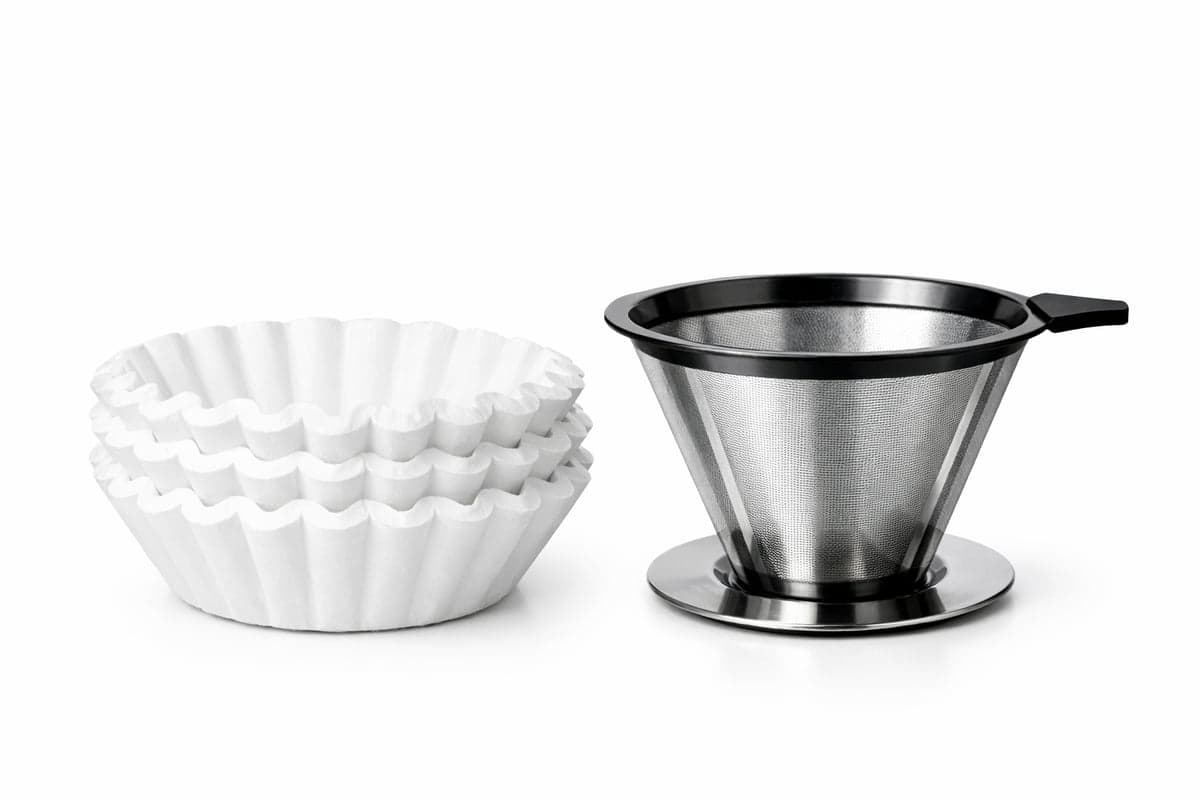
The filter you choose has a massive impact on the clarity and body of your coffee. Which one should you be using?
How We Compare Products
We compare products based on objective criteria, specifications, and user feedback to help you make informed decisions.
Our Evaluation Criteria
Value & Price
We consider both budget-friendly and premium options, evaluating whether products offer good value for their price point.
Features & Specifications
We analyze product specifications, features, and capabilities to ensure they meet the needs of our target audience.
User Reviews & Feedback
We research user reviews, ratings, and feedback from multiple sources to understand real-world performance and reliability.
Build Quality & Durability
We evaluate materials, construction, and durability based on manufacturer information and user reports.
Brand Reputation
We consider brand reputation, customer service, and warranty support when making recommendations.
Use Case Fit
We match products to specific use cases and brewing methods to ensure our recommendations are relevant and practical.
Note: We do not accept payment or free products in exchange for positive reviews. Our recommendations are based solely on our evaluation criteria and research. For more details, see our About page and Affiliate Disclosure.
You've picked the beans and the brewer, but have you thought about the filter? The material your coffee passes through is the final gatekeeper of flavor, and choosing the right filter can dramatically change your coffee's taste profile.
Many coffee enthusiasts spend hours perfecting their grind size, water temperature, and brew time, only to overlook one of the most impactful variables: the filter. Whether you're using a pour-over dripper, AeroPress, or even a drip coffee maker, the filter material plays a crucial role in determining your coffee's body, clarity, and overall flavor.
The filter choice is especially important for pour-over brewing. If you're using a pour-over method, check out our best pour-over coffee makers guide to see which drippers work best with each filter type. And remember, the quality of your beans matters too—learn how to choose coffee beans for the best results.
This comparison is especially relevant for pour-over and AeroPress users. If you're using a pour-over, check out our best pour-over coffee makers guide to find the perfect dripper. For AeroPress users, our French Press vs. AeroPress comparison explains the differences between these two popular methods.
Understanding Coffee Filtration
Before diving into the differences between paper and metal filters, it's important to understand what filters actually do. Coffee filters serve two primary functions:
- Physical Filtration: They separate coffee grounds from the brewed liquid
- Chemical Filtration: They trap oils, fine particles, and compounds that affect flavor and body
The material and pore size of your filter determine which compounds pass through and which are trapped, directly impacting your coffee's final taste.
Paper Filters: Clarity and Brightness
Paper filters are the most common type of coffee filter, used in everything from pour-over drippers to automatic drip machines. They're made from paper fibers that create a dense barrier, trapping most coffee oils and fine particles.
How Paper Filters Work
Paper filters work through a combination of physical and chemical filtration:
- Physical Barrier: The dense paper fibers create tiny pores (typically 10-20 micrometers) that trap coffee grounds and fine sediment
- Absorption: Paper fibers absorb coffee oils, preventing them from passing through
- Capillary Action: The paper wicks away oils and fine particles as coffee passes through
Characteristics of Paper-Filtered Coffee
Flavor Profile:
- Clean, bright, and crisp
- High flavor clarity - you can taste individual flavor notes
- Light to medium body
- Lower oil content means less "mouthfeel"
- Best for highlighting delicate, fruity, and floral notes
Visual Appearance:
- Clear, transparent coffee
- No sediment in the cup
- Lighter color due to removed oils
Health Benefits of Paper Filters
One significant advantage of paper filters is their ability to remove cafestol, a compound found in coffee oils that can raise LDL cholesterol levels. Studies have shown that paper-filtered coffee can reduce cholesterol-raising compounds by up to 90% compared to unfiltered coffee methods like French Press.
Types of Paper Filters
Bleached Paper Filters:
- White appearance
- Treated with oxygen or chlorine to remove natural brown color
- Some people prefer the "clean" taste
- Modern bleaching processes are generally safe
Unbleached Paper Filters:
- Natural brown color
- No chemical treatment
- Some people detect a slight "papery" taste in the first brew
- More environmentally friendly option
Thickness Variations:
- Thicker filters (like Chemex) remove more oils and sediment
- Thinner filters (like Hario V60) allow slightly more oils through
- Thickness affects brew time and extraction
Best Uses for Paper Filters
- Light Roast Coffee: Paper filters highlight the delicate, complex flavors of light roasts
- Single-Origin Coffees: When you want to taste the specific terroir and processing notes
- Pour-Over Brewing: Most pour-over methods are designed for paper filters
- Health-Conscious Drinkers: Those concerned about cholesterol-raising compounds
Drawbacks of Paper Filters
- Cost: Need to be replaced after each use (though they're inexpensive)
- Environmental Impact: Creates waste, though many are compostable
- Less Body: Removes oils that contribute to mouthfeel and richness
- Potential Paper Taste: Some people detect a slight paper flavor, especially with unbleached filters
Metal Filters: Body and Richness
Metal filters (typically made from stainless steel mesh) have larger pores than paper filters, allowing coffee oils and fine sediment to pass through. This creates a completely different coffee experience.
How Metal Filters Work
Metal filters use physical filtration only:
- Mesh Pores: Typically 50-100 micrometers, much larger than paper
- No Absorption: Metal doesn't absorb oils, so they pass through freely
- Sediment Passage: Fine particles can pass through, creating a fuller-bodied cup
Characteristics of Metal-Filtered Coffee
Flavor Profile:
- Rich, full-bodied, and bold
- Heavy mouthfeel due to oils
- More complex, layered flavors
- Similar to French Press coffee
- Best for highlighting chocolate, nutty, and caramel notes
Visual Appearance:
- Opaque, darker coffee
- May have fine sediment at the bottom
- Richer color due to oils
Types of Metal Filters
Stainless Steel Mesh:
- Most common type
- Durable and easy to clean
- Available in various mesh densities
- Works with most pour-over drippers
Gold-Plated Filters:
- Used in some high-end drippers
- Non-reactive surface
- Doesn't affect flavor
- More expensive but longer-lasting
Perforated Metal:
- Less common
- Larger holes than mesh
- Creates even more body
- May allow more sediment through
Best Uses for Metal Filters
- Dark Roast Coffee: Metal filters enhance the bold, rich flavors of dark roasts
- Full-Bodied Preference: If you prefer a rich, mouth-filling cup
- Sustainability: Reusable and eco-friendly
- Cost Savings: One-time purchase, no ongoing filter costs
- Travel: More durable and portable than paper filters
Drawbacks of Metal Filters
- Sediment: Fine particles can pass through, creating a slightly gritty texture
- Cleaning: Requires more thorough cleaning than paper filters
- Cholesterol Compounds: Doesn't filter out cafestol and other compounds
- Less Clarity: Oils can mask delicate flavor notes
- Brew Time: May require adjustment as oils affect flow rate
The Science Behind the Difference
The fundamental difference comes down to particle and oil filtration:
Paper Filters:
- Pore size: 10-20 micrometers
- Removes: Oils, fine sediment, cafestol
- Result: Clean, bright coffee with high clarity
Metal Filters:
- Pore size: 50-100 micrometers
- Removes: Only large coffee grounds
- Result: Rich, full-bodied coffee with oils and sediment
Research has shown that paper-filtered coffee contains significantly less cafestol (a cholesterol-raising compound) than metal-filtered or unfiltered coffee. This makes paper filters a better choice for those concerned about cardiovascular health.
The Verdict
The choice between paper and metal filters ultimately depends on your flavor preferences and priorities:
Choose Paper Filters If:
- You prefer clean, bright coffee with high flavor clarity
- You're brewing light roast or single-origin coffees
- You want to highlight delicate, fruity, and floral notes
- You're health-conscious and want to reduce cholesterol-raising compounds
- You're using a pour-over method designed for paper filters
Choose Metal Filters If:
- You prefer rich, full-bodied coffee with heavy mouthfeel
- You're brewing dark roast coffee
- You want to enhance bold, chocolate, and nutty flavors
- You prioritize sustainability and want a reusable option
- You don't mind some sediment in your cup
Pro Tip: Many coffee enthusiasts own both types of filters and choose based on the coffee they're brewing. Light roasts shine with paper filters, while dark roasts benefit from metal filters.
Who This Is For
This guide is perfect for:
- Pour-over and AeroPress users looking to fine-tune their brew results
- Coffee enthusiasts who want to understand how filters affect flavor
- Anyone curious about the health implications of different filter types
- Brewers who want to experiment with different flavor profiles
If you're using a pour-over, check out our best pour-over coffee makers guide to find the perfect dripper. For AeroPress users, our French Press vs. AeroPress comparison explains the differences between these two popular methods.
Want more comparisons? Browse all our product comparisons to help you make informed decisions.
FAQs
Can I use both paper and metal filters?
Yes! Many coffee enthusiasts use both depending on the coffee they're brewing. Light roasts often taste better with paper filters, while dark roasts can benefit from metal filters.
Do paper filters affect the taste of coffee?
Yes, but the effect is usually positive. Paper filters remove oils and sediment that can mask delicate flavors. Some people detect a slight "papery" taste with unbleached filters, but this is usually minimal.
How often should I replace metal filters?
Metal filters can last years with proper care. Clean them after each use and deep clean monthly. Replace if the mesh becomes damaged or clogged.
Are paper filters bad for the environment?
While paper filters create waste, many are compostable and biodegradable. Some brands use recycled paper. Metal filters are more sustainable long-term but require more water and energy to clean.
Which filter is better for health?
Paper filters are better for cardiovascular health as they remove cafestol, a compound that can raise cholesterol. If you drink multiple cups daily, paper filters may be the healthier choice.
Can I use a metal filter in a Chemex?
No, Chemex is specifically designed for thick paper filters. The design relies on the paper filter's ability to slow extraction. Using a metal filter would change the brewing dynamics significantly.
Do metal filters make coffee taste like French Press?
Yes, metal-filtered coffee is very similar to French Press coffee in terms of body and oil content. Both methods allow oils and fine sediment to pass through, creating a rich, full-bodied cup.
Best next step
Compare picks and prices before you decide
If you are weighing a purchase after this guide, these shortlist and head-to-head pages are the fastest next read.
Related Articles
Moka Pot vs. Espresso Machine: Real Differences Explained
The Moka Pot is often called a 'stovetop espresso maker,' but is it really espresso? We look at the science of pressure.
Read Moka Pot vs. Espresso Machine: Real Differences Explained →French Press vs. AeroPress: Which One Is Right for You?
Two of the most popular immersion brewers go head-to-head. We compare flavor, ease of use, and cleanup.
Read French Press vs. AeroPress: Which One Is Right for You? →Burr vs. Blade Grinders: Why It Matters
Is a burr grinder really worth the extra money? We compare the two most common types of coffee grinders to see which one wins.
Read Burr vs. Blade Grinders: Why It Matters →